
ترك رسالة
إذا كنت مهتمًا بمنتجاتنا وتريد معرفة المزيد من التفاصيل، فيرجى ترك رسالة هنا، وسوف نقوم بالرد عليك في أقرب وقت ممكن.



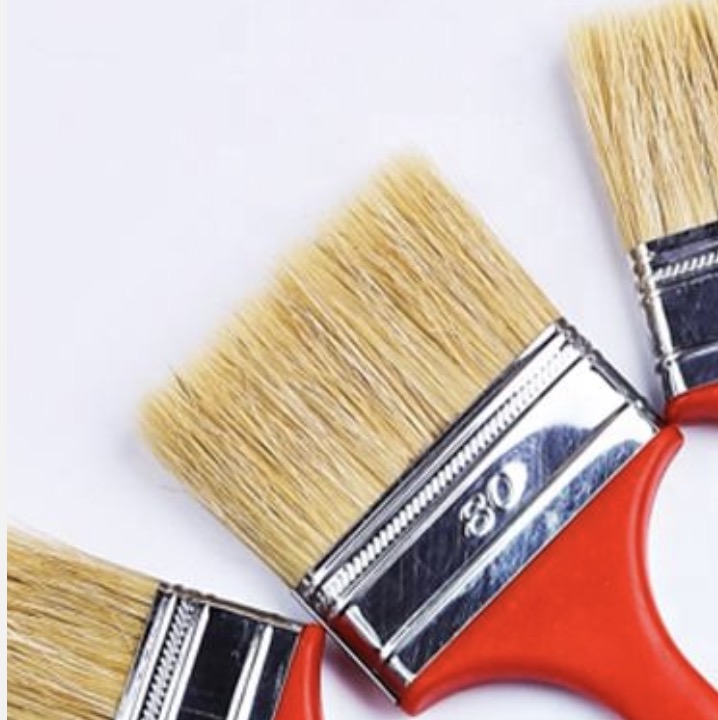
✅ "المقبس والمسمار" - الطريقة الآمنة والنظيفة
✅ "صب الغراء" - الطريقة السريعة والمرنة
دعونا نتعمق في التفاصيل حتى تتمكن من اختيار أفضل عملية تناسب احتياجاتك.
●ال خصلة من الشعيرات يتم إدخالها أولاً في حلقة معدنية .
●A كمية صغيرة من الغراء يتم استخدامه لتثبيت الشعيرات في مكانها أثناء التجفيف.
●بمجرد أن يجف الغراء، يتم تثبيت الحلقة المعدنية بإحكام على مقبض خشبي/معدني .
●وأخيرًا، مسمار أو برشام يتم إدخالها عبر الحلقة المعدنية والمقبض لإنشاء رابطة صلبة كالصخر.
✔ استخدام كمية أقل من الغراء = تكلفة أقل وفوضى أقل – بما أنه لا يتم استخدام سوى كمية صغيرة، فهناك لا يوجد فائض من الغراء، والحفاظ على نظافة الفرشاة.
✔ قوي ومتين للغاية - ال حلقة تثبيت محكمة + تقوية بالمسامير يضمن رأس الفرشاة لن يتذبذب أو ينفصل بسهولة.
✔ تشطيب فاخر – لا يترك بقع غراء قبيحة، مما يجعله مثالياً لـ فرش عالية الجودة.
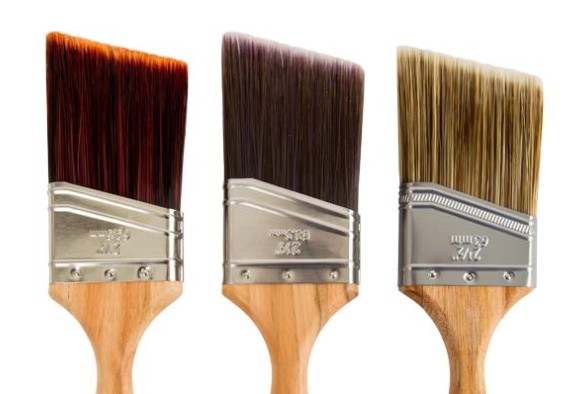
●ال خصلة من الشعيرات يتم وضعه في حلقة معدنية، ثم مملوء بكمية وفيرة من الغراء.
●ال يتم إدخال المقبض على الفور في الغراء الرطب.
●يُترك التجميع لـ العلاج الطبيعي دون الحاجة إلى دقة عالية.
✔ إنتاج أسرع – لا داعي لانتظار جفاف الغراء قبل الانتقال إلى الخطوة التالية.أكثر مرونة في أحجام المقابض – بما أن المقاس ليس ضيقًا، طفيف يُسمح باختلافات في أبعاد المقابض..مناسب للإنتاج بكميات كبيرة – يعمل بشكل جيد عندما تكون الأولوية للسرعة على حساب الجودة العالية.
⚠ الجانب السلبي: ال قد يكون خط التماس بالغراء مرئيًاوقد لا تكون الرابطة بنفس القوة يدوم طويلاً مثل طريقة الأظافر.
عامل | مقبس ومسمار | سكب الغراء |
متانة | ✅ قوي للغاية (مسمار + تركيب محكم) | ⚠ جيد، لكنه أقل أمانًا |
مظهر | ✅ نظيف، بدون آثار غراء | ⚠ قد تظهر بقايا غراء |
سرعة الإنتاج | ⚠ يتطلب وقتاً للتجفيف | ✅ أسرع (بدون انتظار) |
تحمل التفاوت | ❌ يتطلب مقاسًا دقيقًا | ✅ مقاسات مرنة |
يكلف | ✅ استخدام أقل للغراء | ⚠ يلزم المزيد من الغراء |
🔧 الأفضل للفرش الفاخرة؟ → مقبس ومسمار
🔨 الأفضل للإنتاج السريع بكميات كبيرة؟ ← صب الغراء
لكلتا الطريقتين استخداماتهما في صناعة الفرش. إذا كنت تريد... فرشاة تدوم طويلاً وبجودة احترافية، ال طريقة التجويف والمسمار هذا هو الحل الأمثل. ولكن إذا كنت بحاجة إلى السرعة والمرونة, سكب الغراء يمكن أن يكون بديلاً رائعاً.
🛠 هل تحتاج إلى مساعدة في اختيار مجموعة الفرشاة المناسبة لمنتجك؟ أرسل لنا رسالة - يسعدنا مساعدتك في تحسين عملية صنع الفرش الخاصة بك!


 شبكة IPv6 مدعومة
ترك رسالة
مسح ضوئي إلى WeChat :

مسح ضوئي إلى WhatsApp :